Twist Museum vs Paradox Museum
On paper, these two start from the same place. Both are built around illusions, interaction, and the idea of creating something engaging. The difference only becomes clear once you are inside.
The Paradox Museum experience
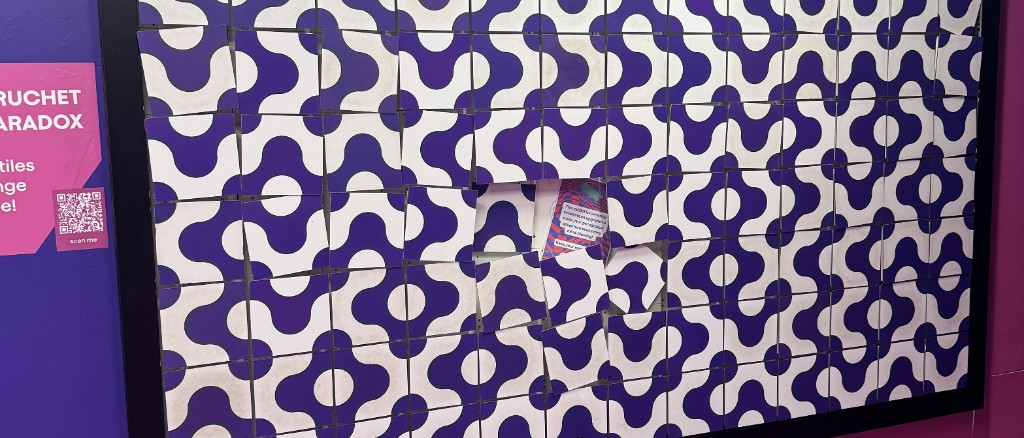
A shorter, photo-led loop with looser structure, explanations held apart from the installations, and visible wear under visual scrutiny.
The Twist Museum experience
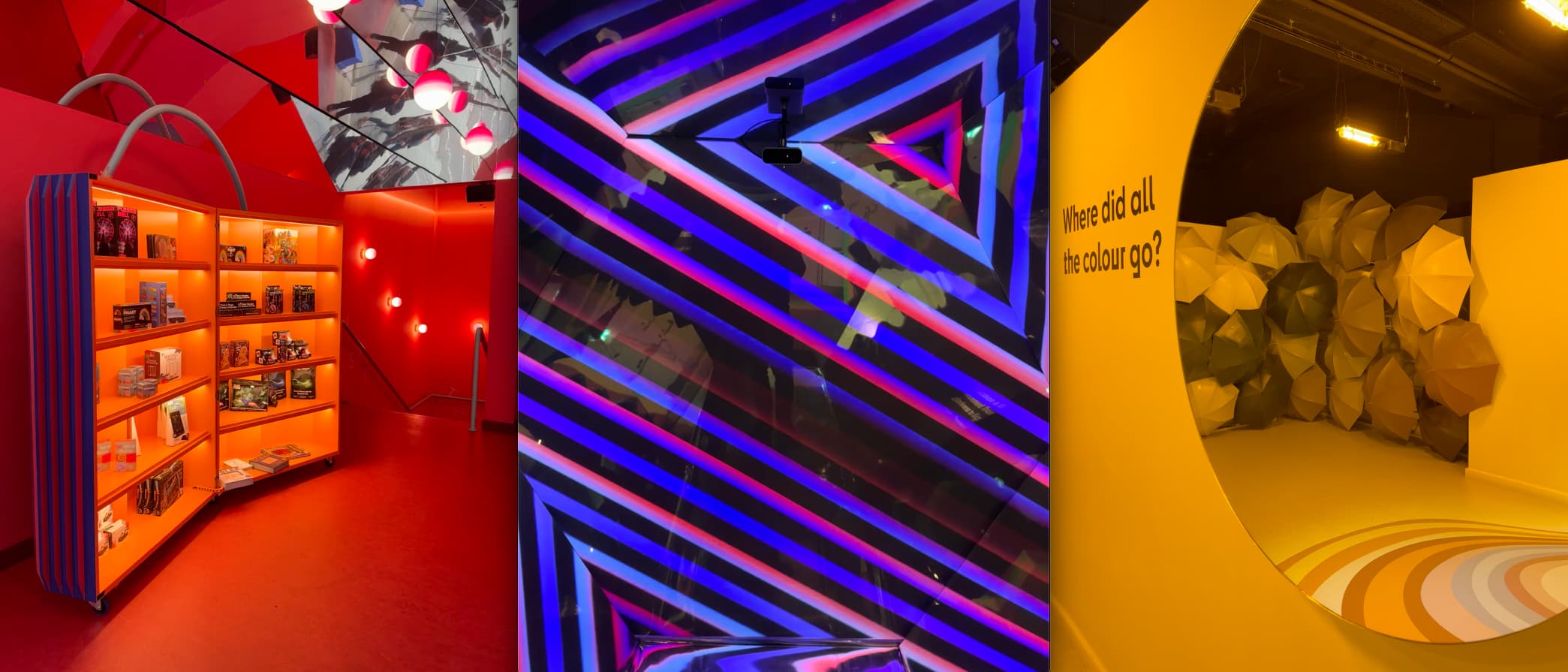
Photo opportunities that hold up, and pacing that keeps the experience both fun and educational, even at peak times.
Twist Museum and Paradox Museum start from the same place. Both are built around illusions, interaction, and the idea of creating something engaging and easy to move through. On the surface, they promise a similar experience. The difference only becomes clear once you are inside.
Twist establishes its approach immediately, and it feels fun from the outset. The layout is clear, the installations work as intended, and the space moves at a steady, deliberate pace. That structure holds the experience together from the beginning, so movement feels natural rather than managed. Nothing feels improvised, and the visit reads as a complete sequence rather than a series of stops. In practice, it is closer to fun for the whole family than the usual split between a child track and an adult slog.
Paradox starts from a similar idea, but the execution is looser. The structure is less defined, and more importantly, less reliable. Several installations were out of order, while others showed visible wear. In a space built on visual impact, those details register quickly. Where Twist allows you to move forward with confidence, Paradox introduces hesitation, and the sense of continuity begins to weaken.
That difference becomes clearer in how each space handles explanation. At Twist, each installation includes its own breakdown, so understanding sits alongside the effect rather than after it. The draw is not only visual; comprehension carries the experience forward, giving each piece more weight than a single reaction. This steadies the pacing, allowing visitors to spend time with each installation without being pushed onward too quickly. Younger visitors, in particular, have space to engage and work things out, while the same structure still supports a quicker pass if preferred. The rhythm holds either way, adding depth without forcing it and avoiding the usual rush to the next photo.
At Paradox, the educational layer sits apart. Explanations are placed behind QR codes rather than within the installations themselves, separating the information from the moment of interaction. That distance breaks the link between seeing and understanding. The educational side reads as optional rather than embedded, and little carries forward from one installation to the next. As a result, the experience becomes more fragmented, and the pacing feels thinner and less sustained overall.
Duration amplifies that difference. Twist runs for around fifty minutes and feels intentionally paced, with enough variation to hold attention throughout. Paradox lasts closer to twenty-five minutes, and without a clear sense of progression the visit ends before anything fully builds. What persists is a shallow rhythm with little that accumulates or connects between stops.
Crowds affect both spaces, but not equally. Twist holds up even when it is busy because the layout supports movement and gives people space to engage with each illusion. Paradox is far more dependent on timing. When quiet, it is manageable. When busy, the lack of structure becomes much harder to ignore.
Value follows the same pattern. Twist feels fair because everything works and nothing feels neglected. Paradox feels expensive because the experience never fully settles into something reliable.
They aim for the same audience, but only one delivers the fuller experience end to end.
Twist is the more complete visit; Paradox still reads as unresolved.
Read the full reviews below.